By Owen Blot · Founder, Maynox · Last updated June 21, 2026
You finished a workout two days ago and your legs still hurt going down the stairs.
That's the new reality after 50 — and the listicles selling you a six-pack of supplements aren't telling you the truth about why. This isn't about willpower. It's about a body that repairs slower and a recovery routine built for a 30-year-old.
The good news: most men over 50 are leaving 70% of their recovery on the table. Not because they're lazy, but because they're spending their effort on the wrong levers — foam rolling for 20 minutes, ice baths, NSAIDs — while ignoring the boring stuff that actually moves the needle.
This is the honest workout recovery after 50 playbook. Five levers, ranked by what actually works, with sourced research and a concrete next-48-hour protocol. No fluff, no magic supplement.
If you're a man 45+ who started training again and your soreness sticks around three days, this is for you.
The Real Reason Recovery Takes Longer After 50 (Not Just "Age")
In your 30s, a hard leg day disappears in 24-48 hours. In your 50s, the same session takes 48-72 hours minimum — and sometimes longer if you slept badly or skipped protein. That's not weakness. That's biology, and it has four specific drivers.
Driver #1 — Slower muscle protein synthesis. The body's repair process gets less efficient with age. Older muscles need more leucine (a key amino acid) per meal to trigger the same anabolic response. A 2015 review showed adults over 50 needed roughly 40g of protein per meal to maximally stimulate repair, versus 20g for a 25-year-old (Stanford Lifestyle Medicine).
Driver #2 — Hormone decline. Testosterone drops about 1% per year after age 30, and growth hormone (the other big repair signal) drops faster. By 55, you're working with 25-30% less of both hormones than you had at 30 (Mayo Clinic). Both hormones are protein-synthesis amplifiers. Less of them means slower repair.
Driver #3 — Sarcopenia. Muscle mass declines 3-8% per decade after 30, accelerating after 50 (NIH/PMC). Less muscle equals less metabolic factory to repair the muscle you just trained. Fewer fast-twitch fibers also means each rep recruits a smaller team.
Driver #4 — Delayed inflammatory response. Older adults send healing resources (white blood cells, growth factors) to stressed tissue more slowly. The inflammation arrives late and lingers longer — which is why your DOMS peaks at 48-72 hours instead of 24.
The bottom line: recovery isn't a willpower problem. It's a biology problem with a leverage solution. You can't reverse driver 2 or 3 with a foam roller. But you can stack the right levers so your 50-year-old body recovers like a 40-year-old body. That's what the rest of this article is. If you also want the training side of the picture, see our 3-day sustainable plan for men over 50.
The 5-Lever Recovery Stack (Ordered by ROI, Not Popularity)
Here's the rule almost no one tells you: not all recovery moves are equal. Foam rolling is fine, but it's a 5% lever. Sleep is a 40% lever. If you spend 20 minutes on the foam roller and 6 hours in bed, you're optimizing the wrong thing.
These five levers are ranked by time-to-visible-impact — what gets you back to the gym pain-free fastest.
| # | Lever | Time to impact | Effort | ROI |
|---|---|---|---|---|
| 1 | Sleep 7-8 hours | Same night | Low (free) | Highest |
| 2 | 40g protein per meal | 24-48 hours | Low | Very high |
| 3 | Active recovery walking | 1-2 days | Low | High |
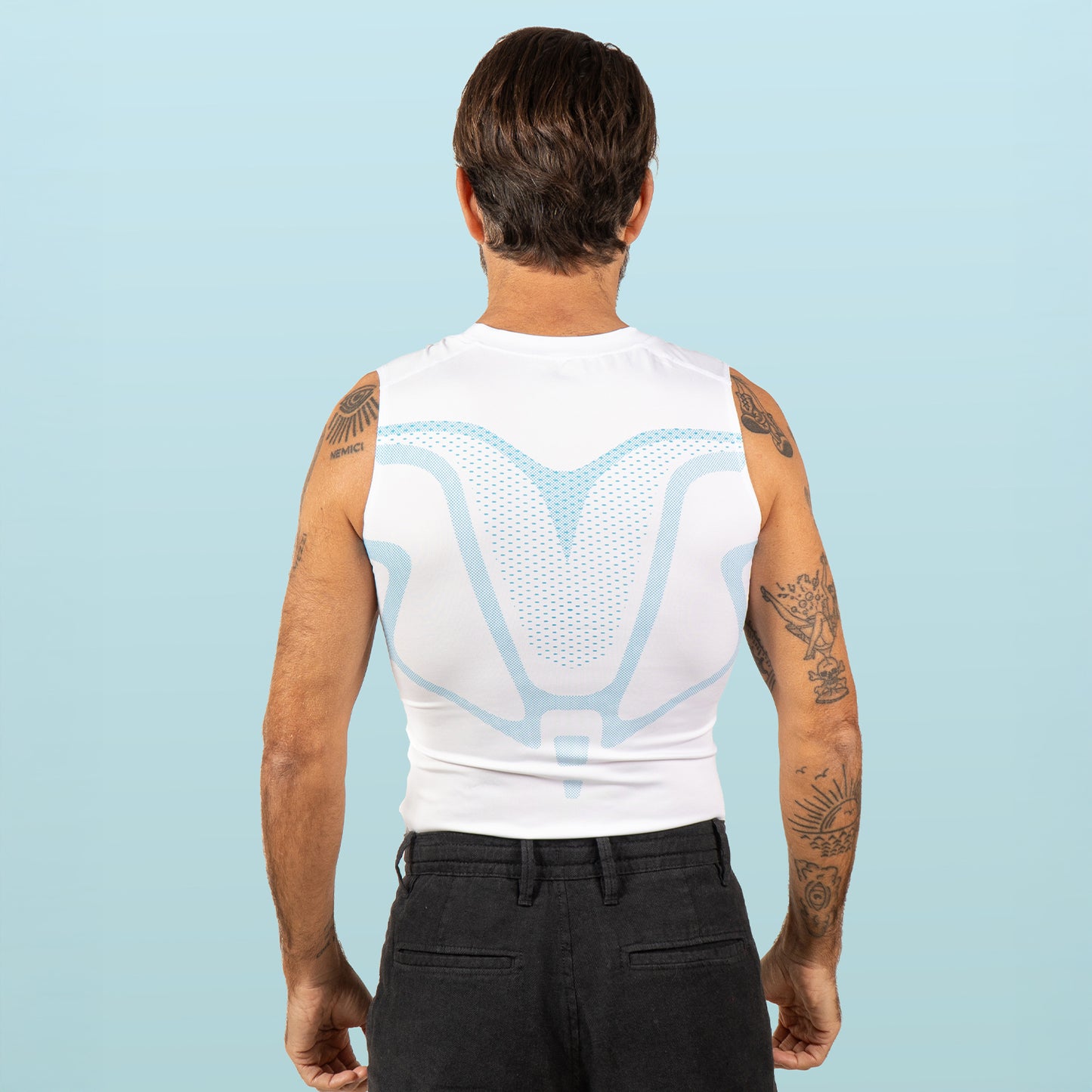
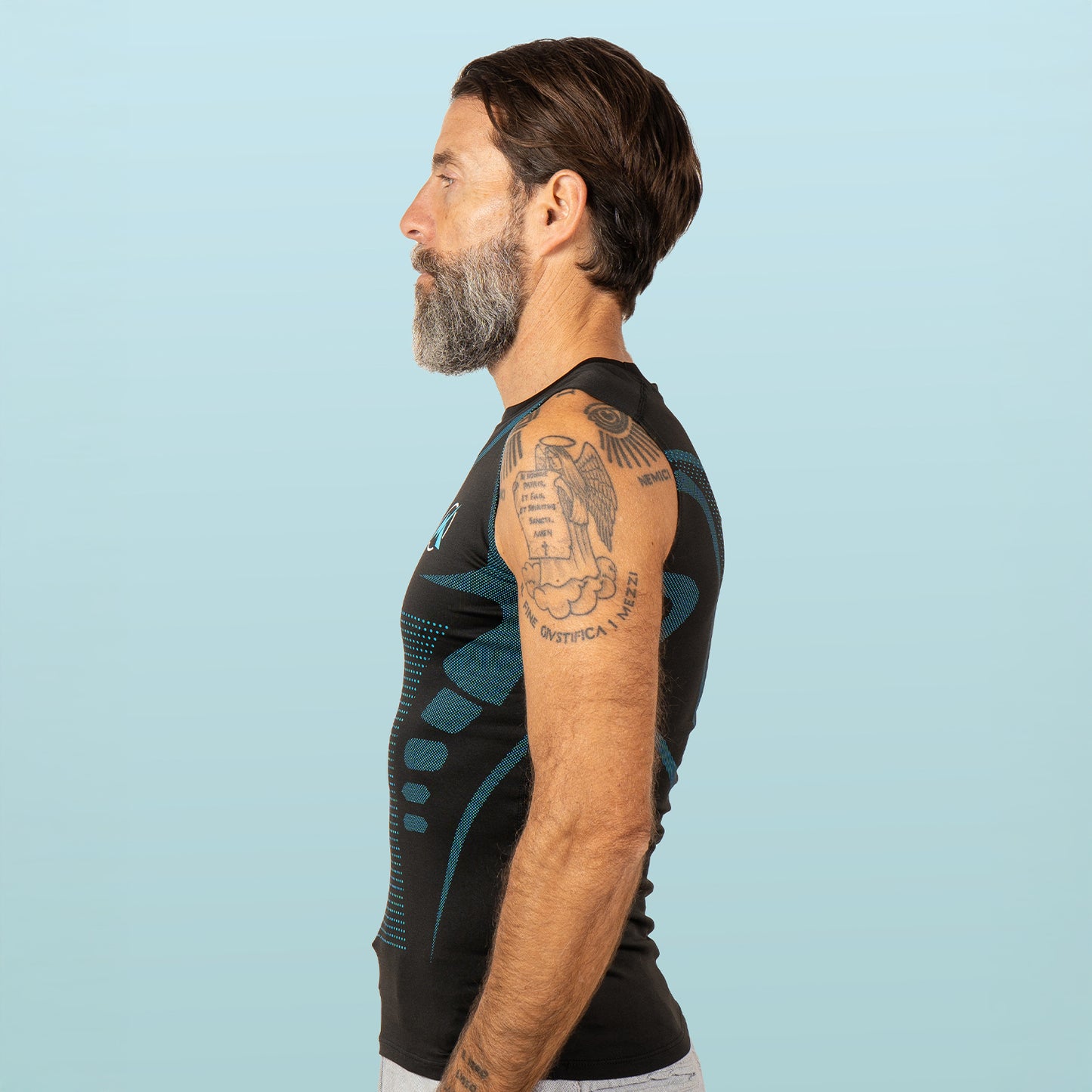
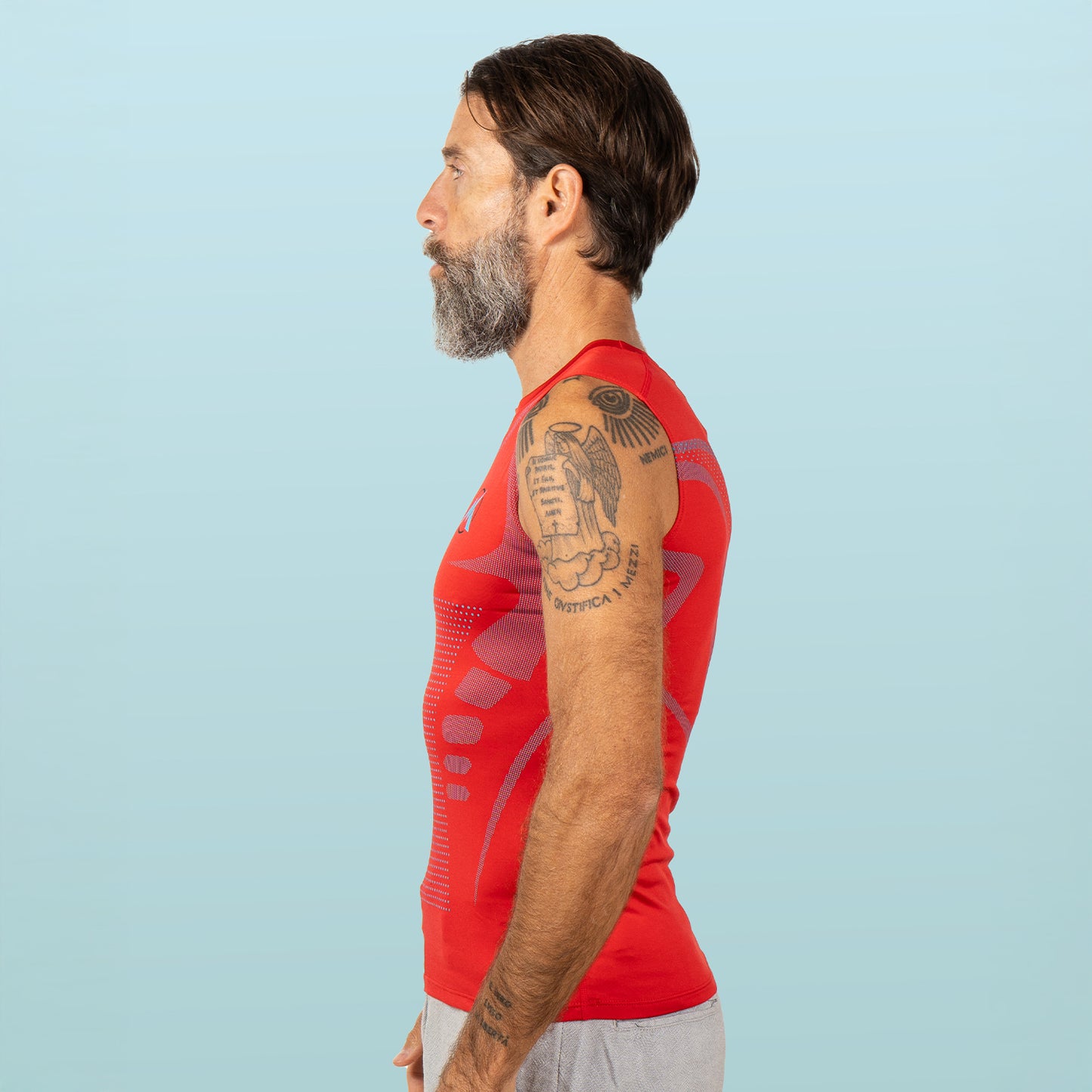
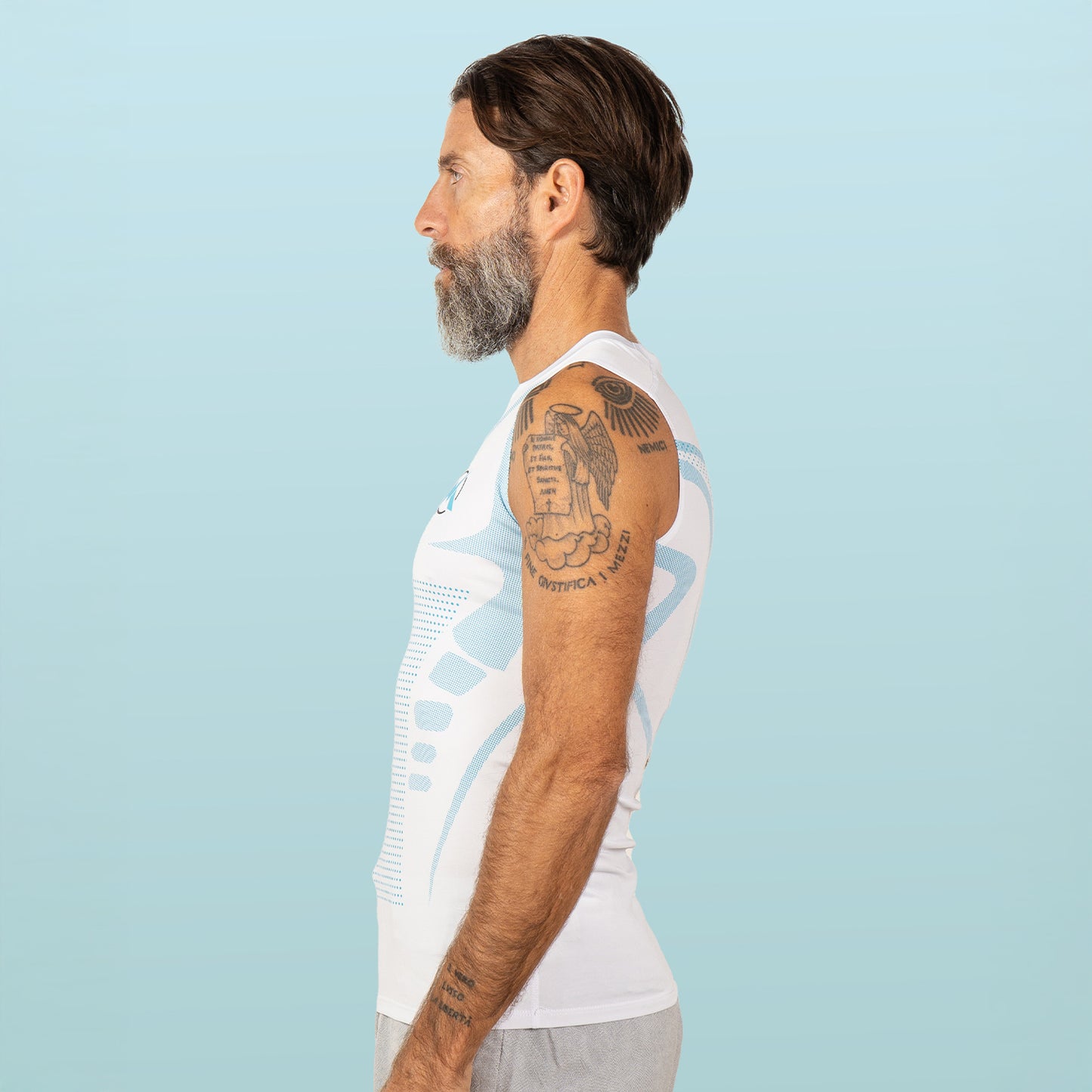
| 4 | Compression base layer | Same day visual + 24-48h soreness | Low | Mid-High |
| 5 | Skip the recovery traps | Immediate | Free | High |
You don't need all five perfect. You need them in order. Sleep first. Protein second. Don't touch lever 4 until levers 1-2 are in place.
Lever 1 — Sleep (The Lever Most Men Under-Use)
This is the boring answer that nobody wants. But the research is overwhelming: deep sleep is when most of your muscle repair actually happens. Growth hormone secretion peaks during deep sleep stages. Cut sleep short and you cut your repair window short.
The CDC reports that 30.5% of US adults sleep less than 7 hours per night — and men 45-64 are among the worst affected (CDC NCHS Data Brief 559). If you're in that 30%, this is your single highest-leverage lever. For the broader fatigue picture, see why you feel tired all the time after 45.
The honest protocol isn't sleep hygiene PDFs. It's three rules:
- Same bedtime ±30 minutes, including Friday and Saturday. Your body recovers on a circadian schedule. Drifting your sleep by two hours on weekends costs you Monday's training quality.
- Lights down 60 minutes before bed. Phone on dim, no overhead lights, no TV-bright. The light signal is what tells your brain to release melatonin — without it, you fall asleep but don't reach deep stages.
- Cool room, 65-68°F. Older bodies sleep deeper in slightly cooler rooms.
If you fix only one lever, fix this one. A man over 50 sleeping 7.5 hours will outrecover a man sleeping 5.5 hours regardless of supplements or foam rollers. That's not motivation — that's physiology.
Lever 2 — Per-Meal Protein (40g, Not 20g)
Here's what most men over 50 get wrong: they eat the right total protein per day but at the wrong distribution. Skipping breakfast, having a 20g lunch, then crushing 60g at dinner equals 100g total — which sounds great, but your body can only absorb so much in one window. The rest gets wasted.
Stanford Lifestyle Medicine recommends 1.0-1.2g of protein per kg of body weight for adults over 50, with up to 1.5g/kg under heavier training (Stanford LM). For a 180-lb man, that's 82-108g per day — but split into 30-40g chunks across 3-4 meals, not one big dinner.
The 40g-per-meal anchor:
- Breakfast: 4 eggs + Greek yogurt = ~40g
- Lunch: 6 oz chicken breast + cottage cheese = ~45g
- Dinner: 6 oz salmon or steak + side of beans = ~45g
- Optional post-workout shake: 30g whey
This is the boring math. It's also the lever that decides whether your soreness lasts 48 hours or 72. Anabolic resistance (the older body's reduced response to protein) is real — and the only solution is per-meal dosing, not total dosing.
Lever 3 — Active Recovery (Walk Don't Sit)
The day after a hard workout, two options:
- Wrong: Sit on the couch and "rest." Soreness lasts longer. Stiffness compounds.
- Right: Walk 20-30 minutes at conversation pace.
The mechanism is simple — gentle movement increases blood flow without adding training load, and blood flow is how repair signals reach damaged tissue. ACSM and most sports medicine sources back the principle: light activity beats full rest for soreness reduction.
What counts as active recovery:
- A 20-minute walk outside (morning sun bonus equals circadian reset)
- Easy bike ride (zone 1, you can sing)
- Light mobility flow (5-10 minutes, just the joints)
- Easy swim or pool walk
What doesn't count:
- "Light cardio" at 75% HR — that's another workout
- 60-minute spin class — that's recovery debt, not recovery
- Heavy stretching — see Lever 5
The point is to circulate, not to train. If you finish your "active recovery" sweating, you missed it.
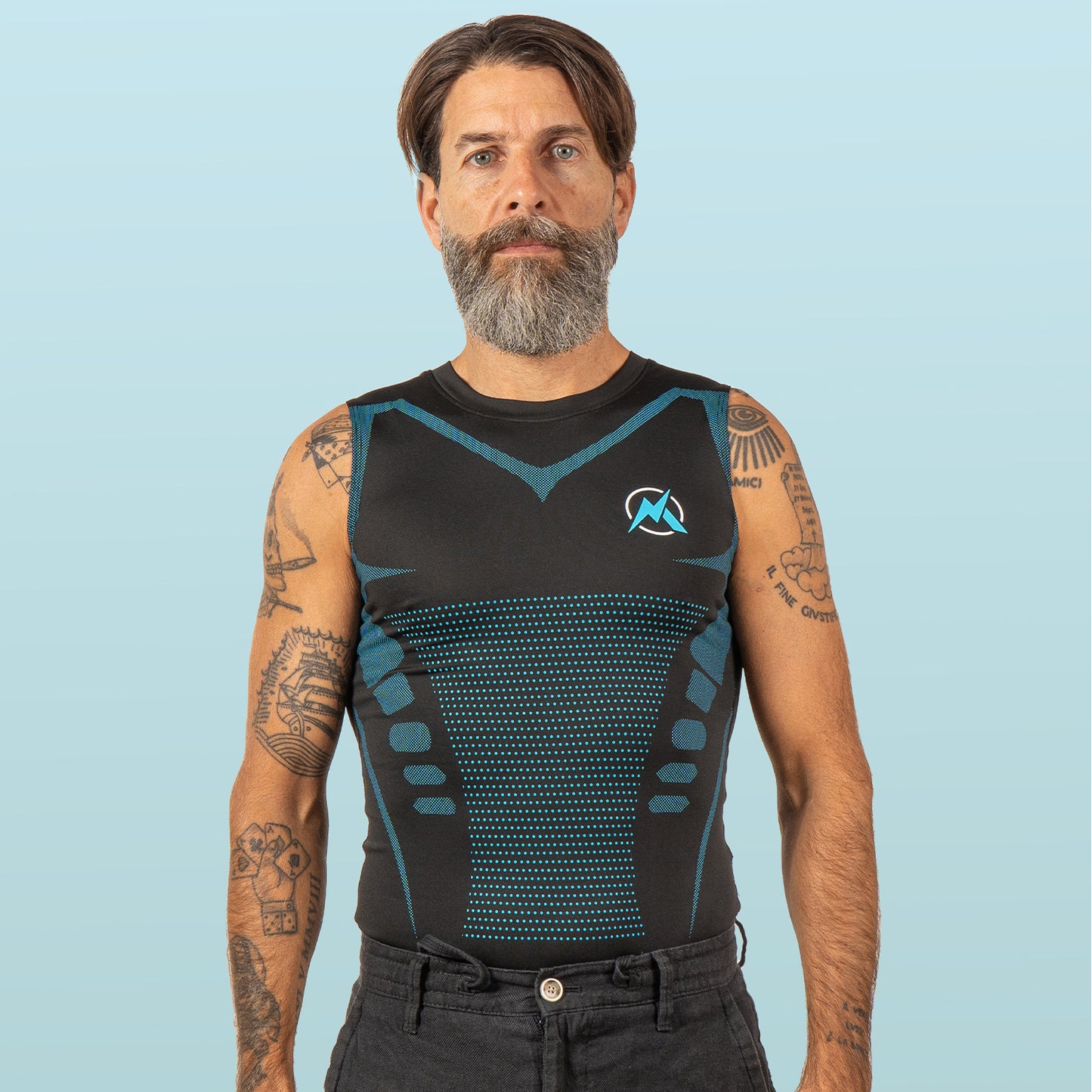
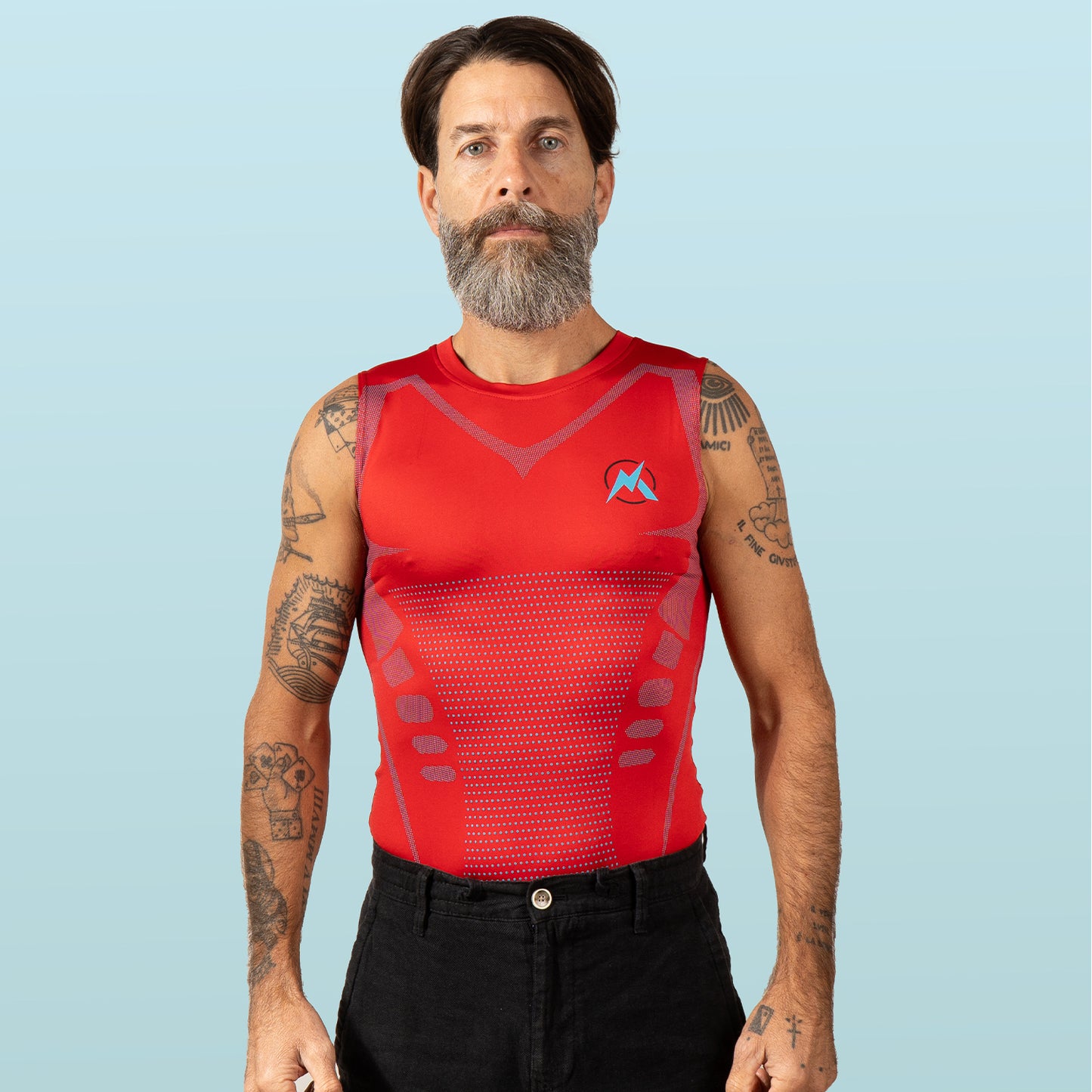
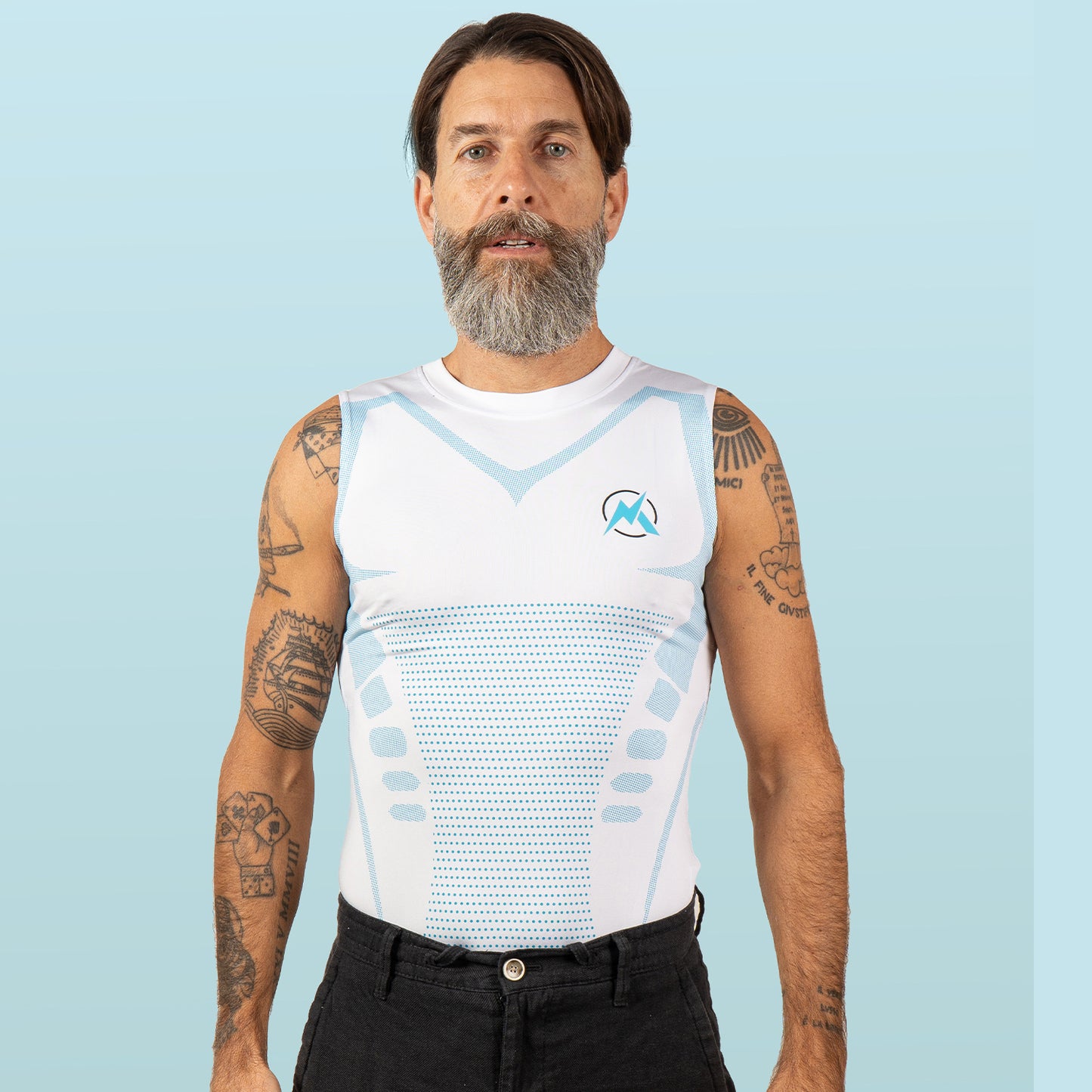
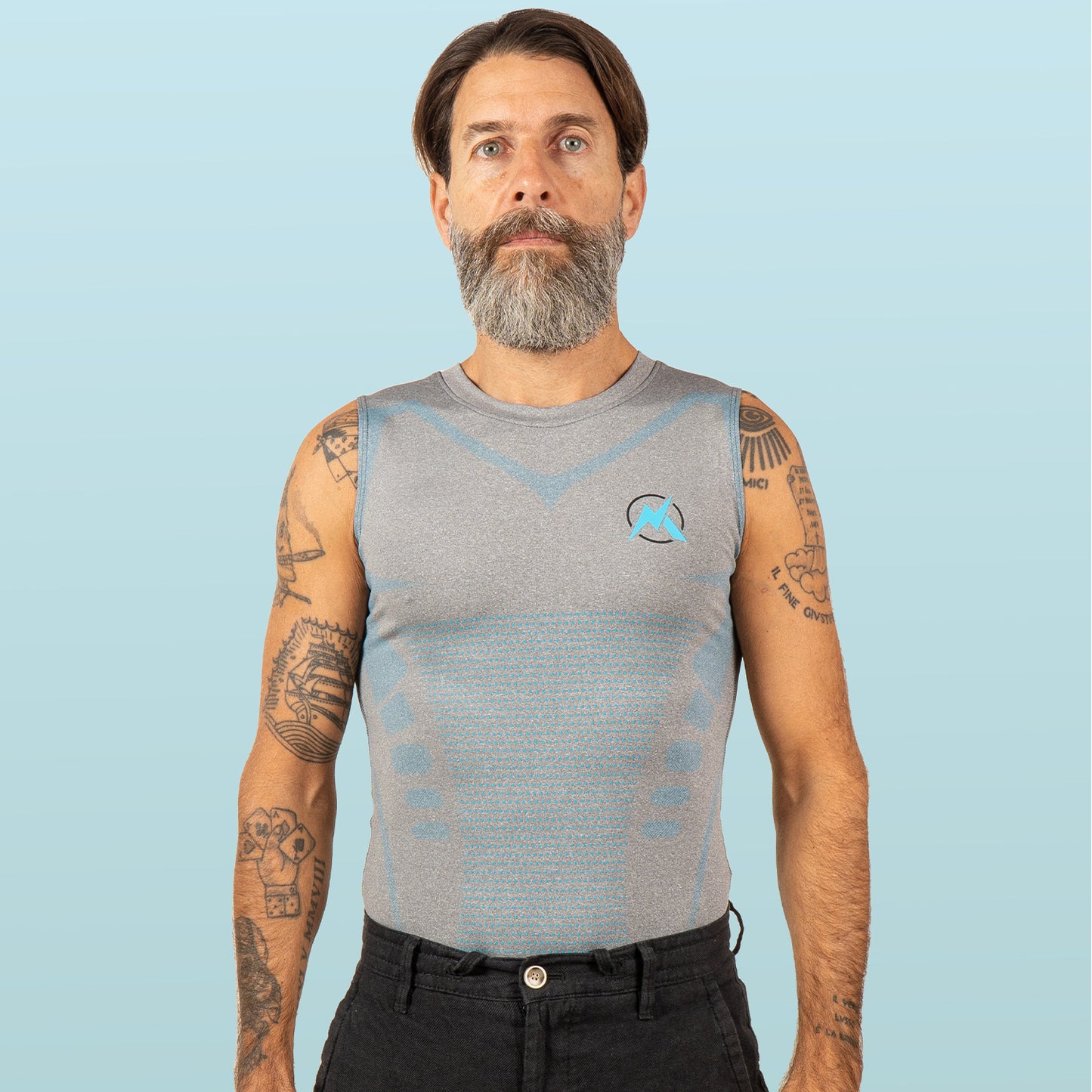
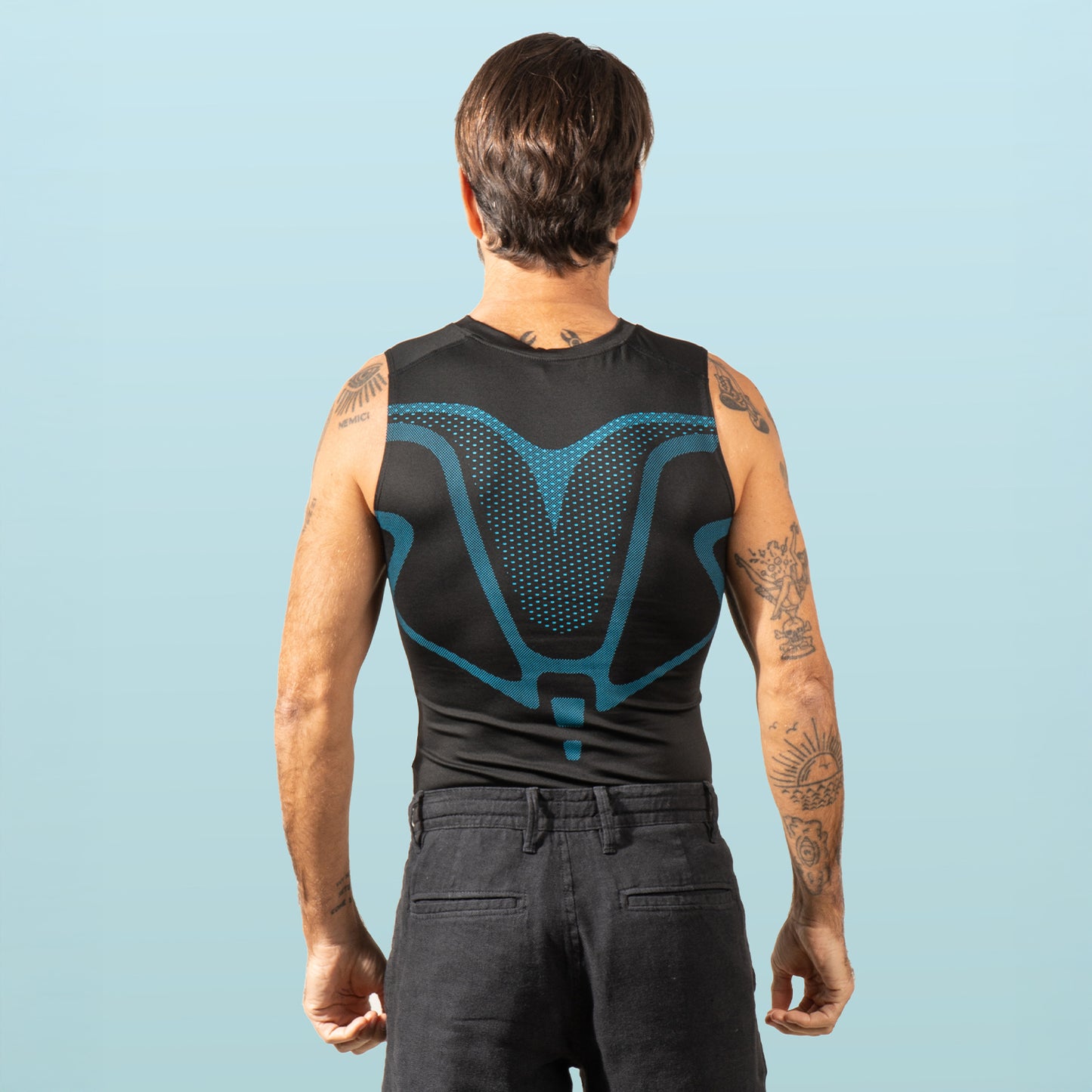
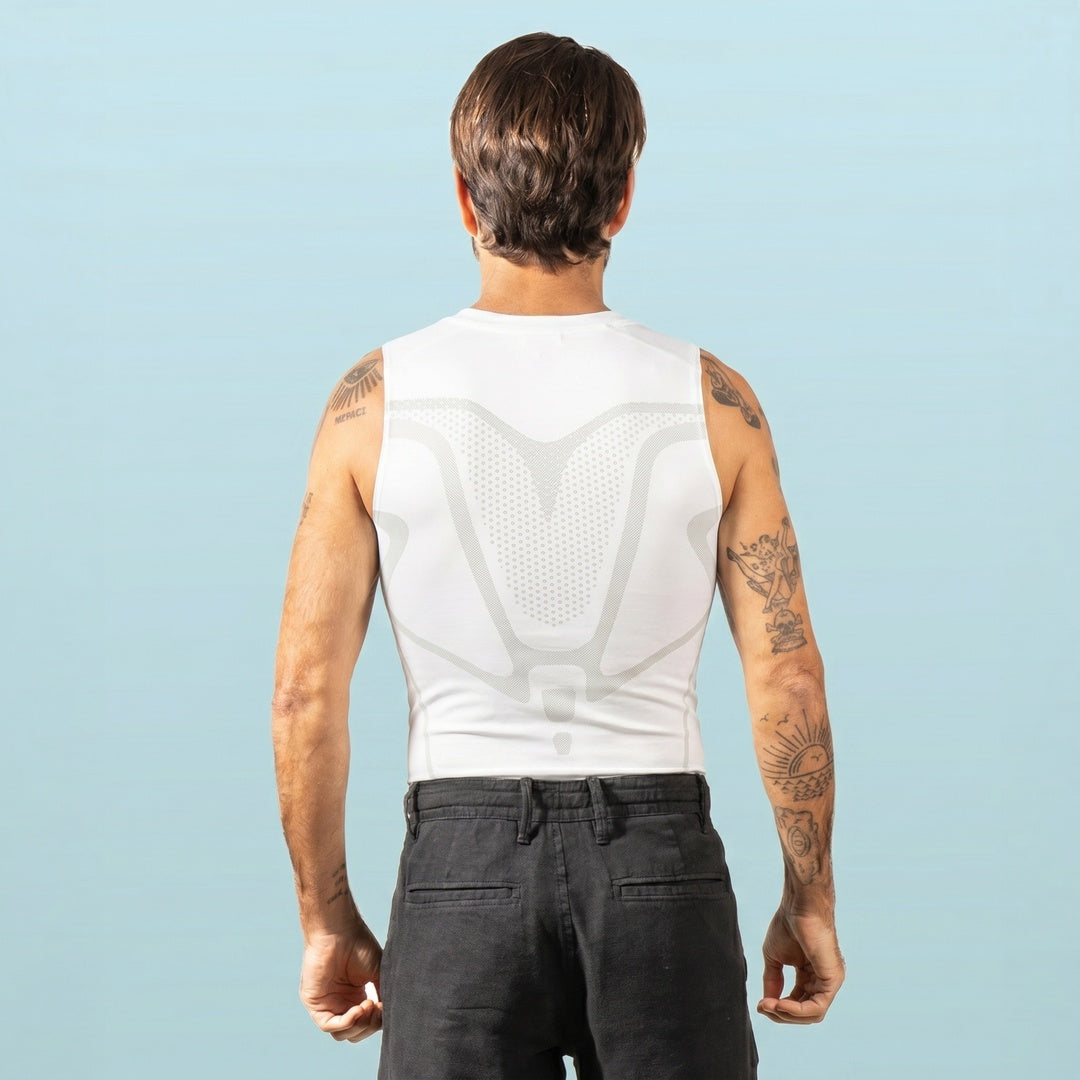
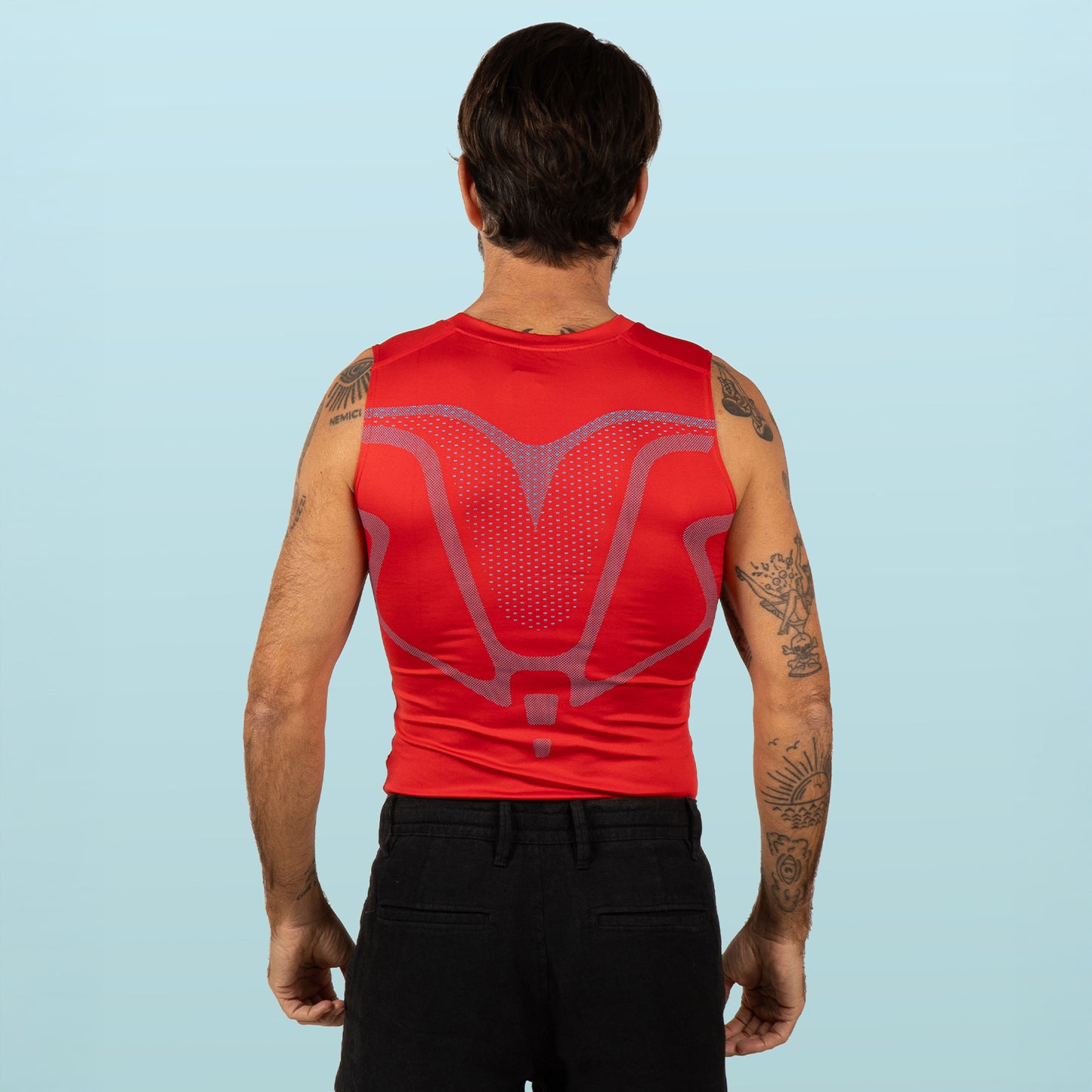
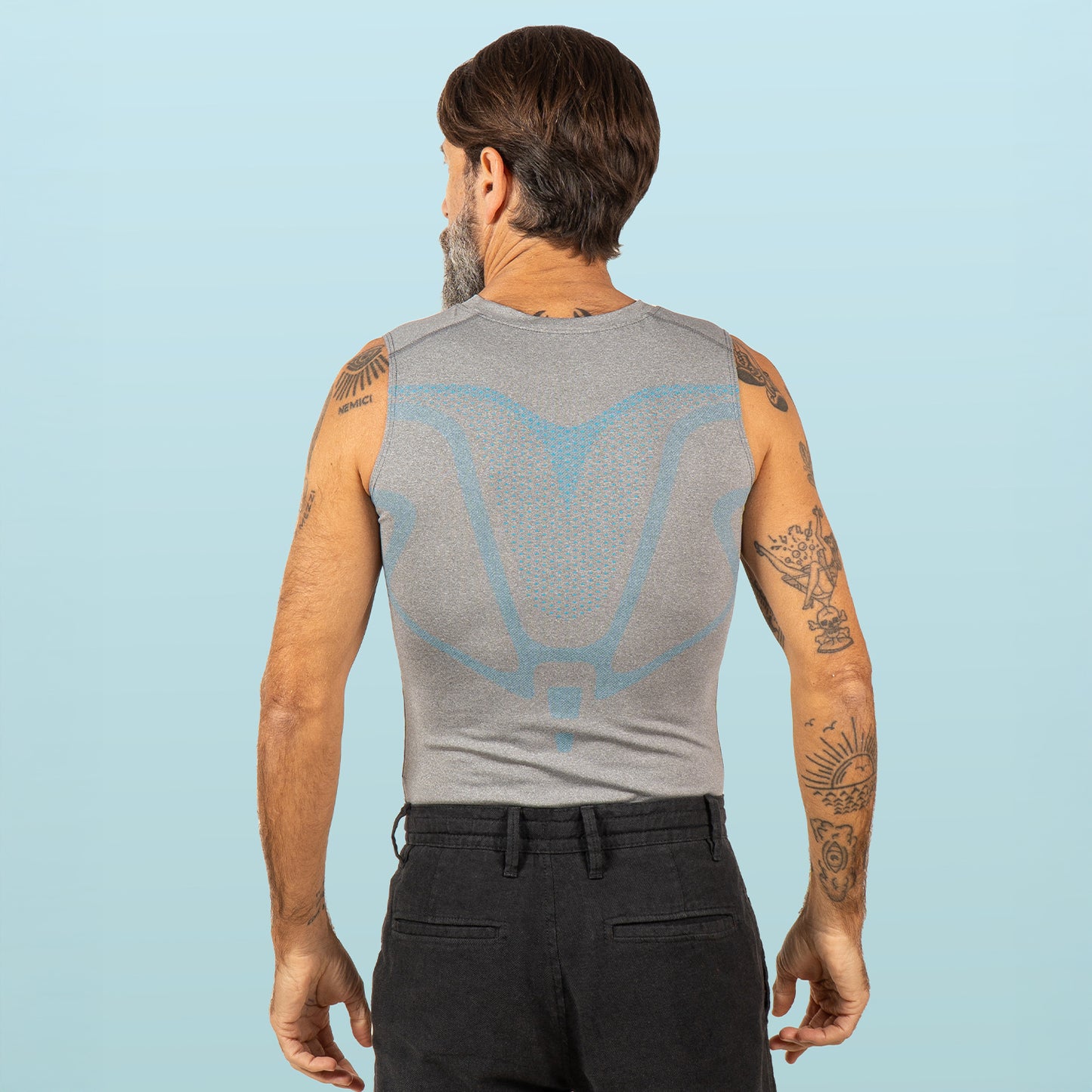
Lever 4 — Compression Base Layer + Posture (Same-Day Visible Win)
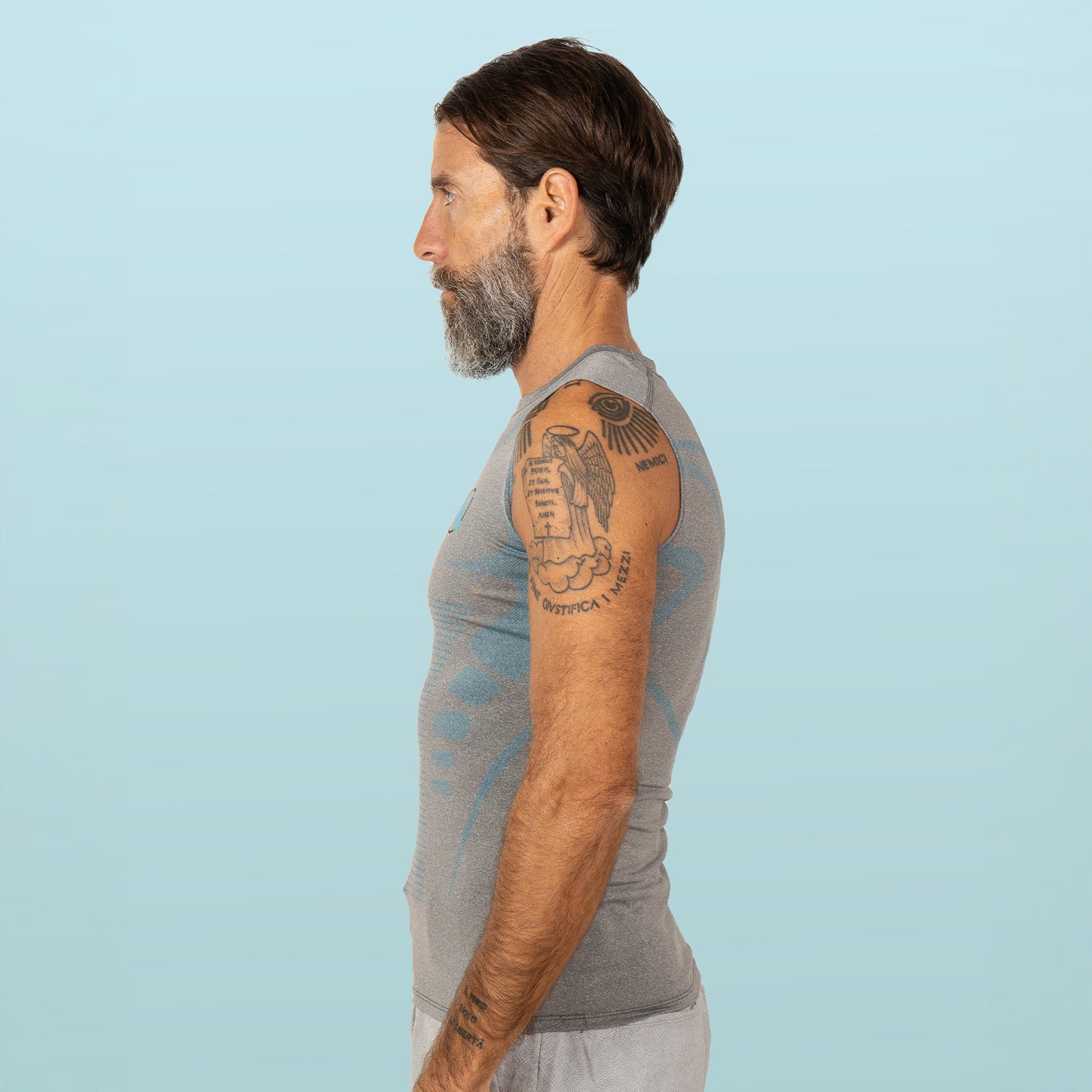
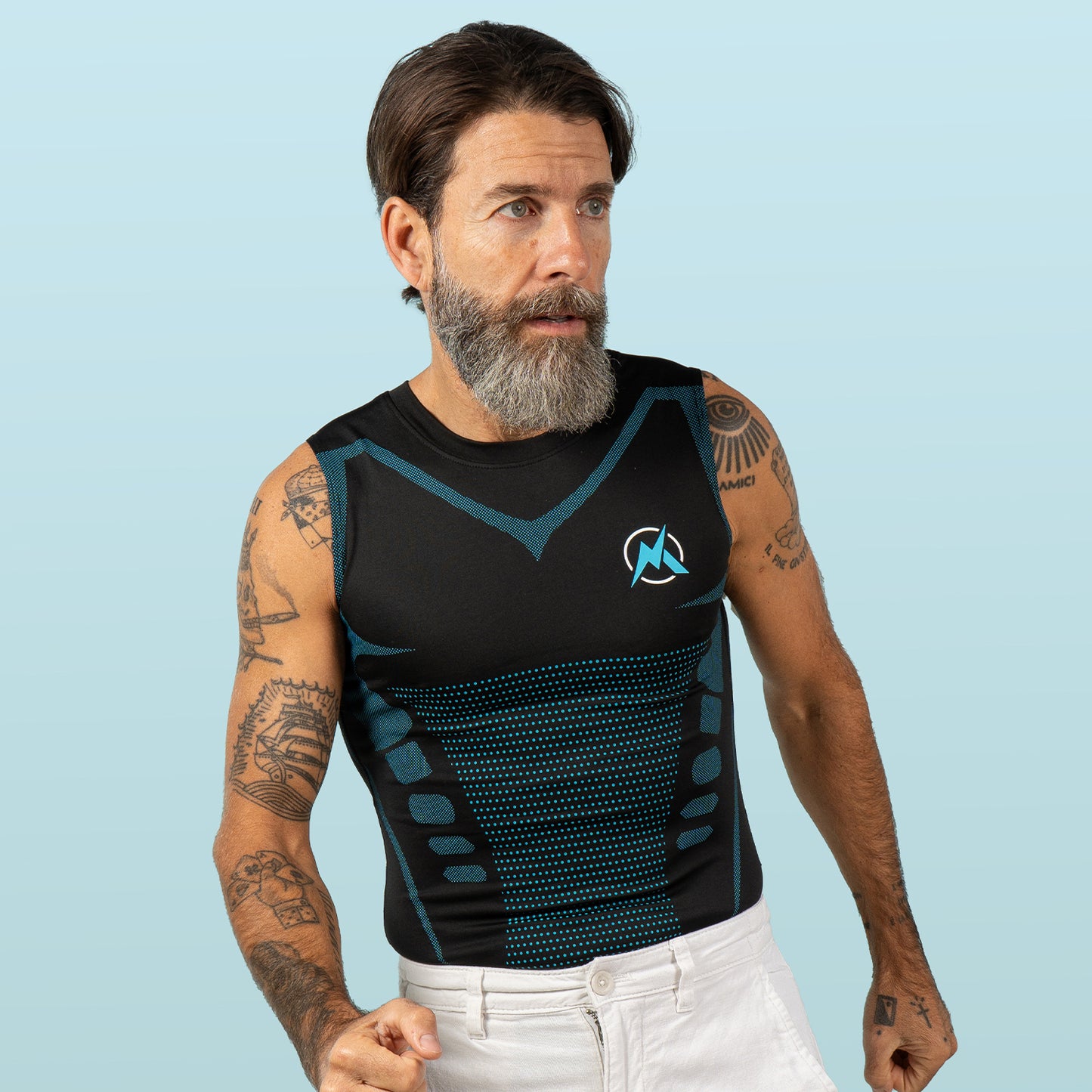
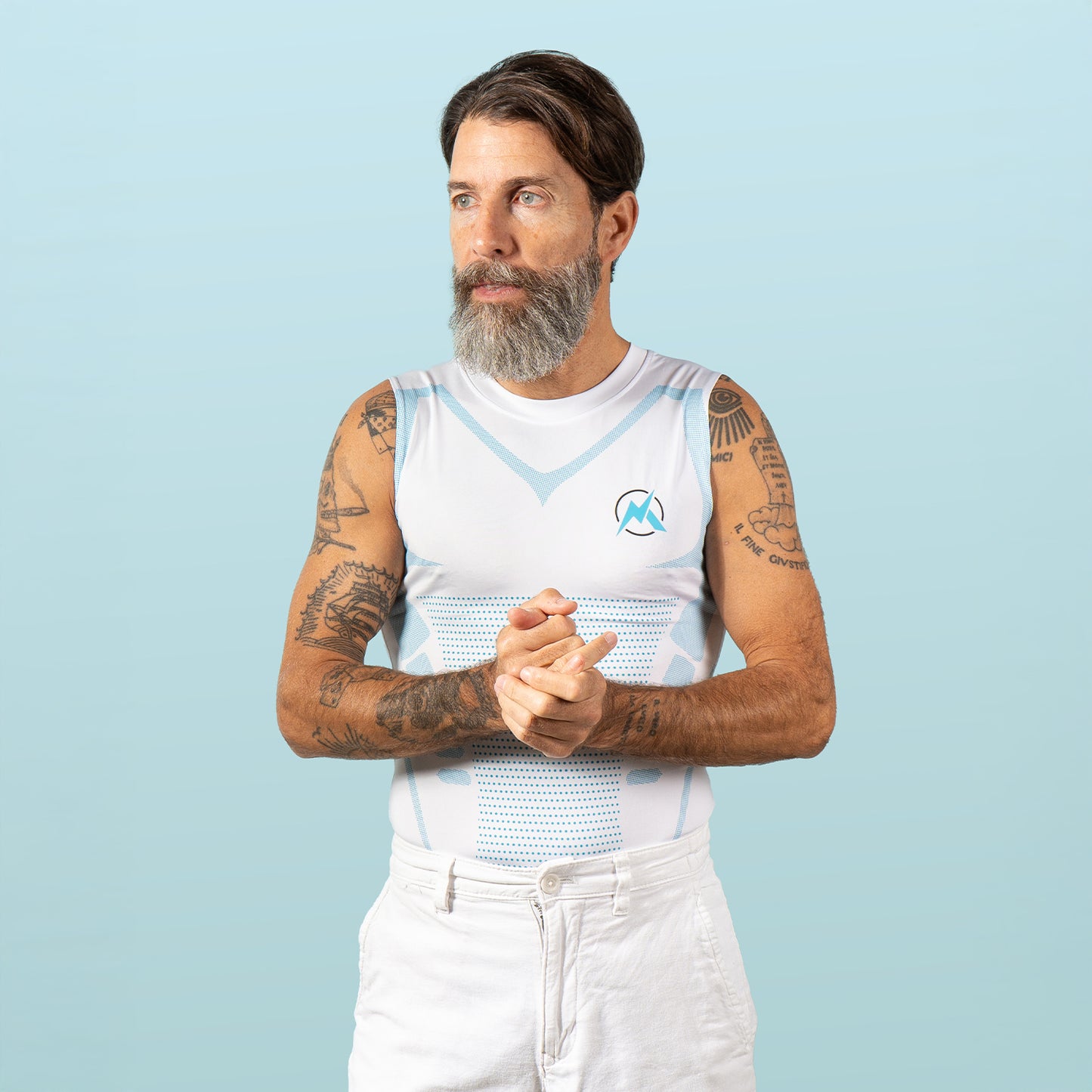
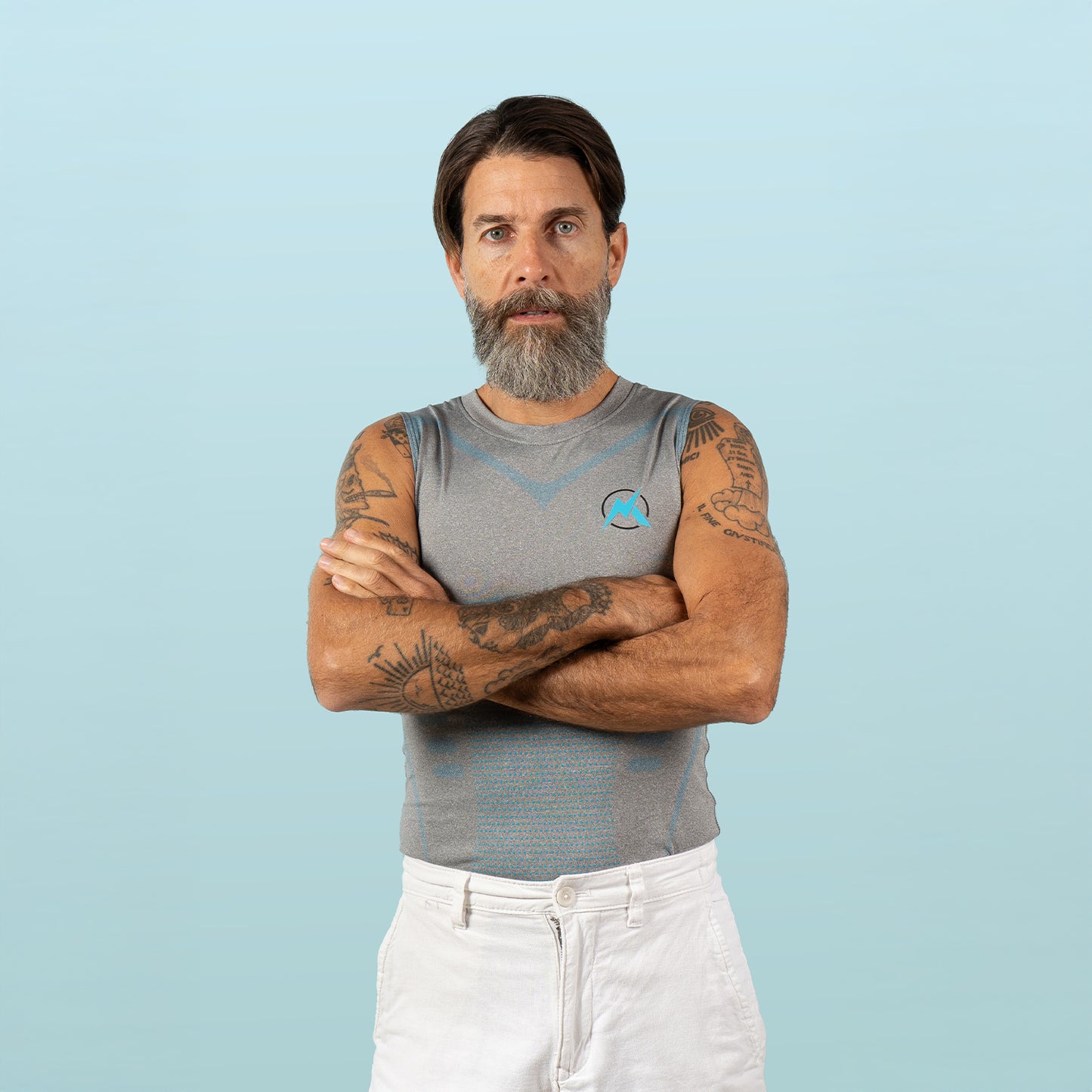
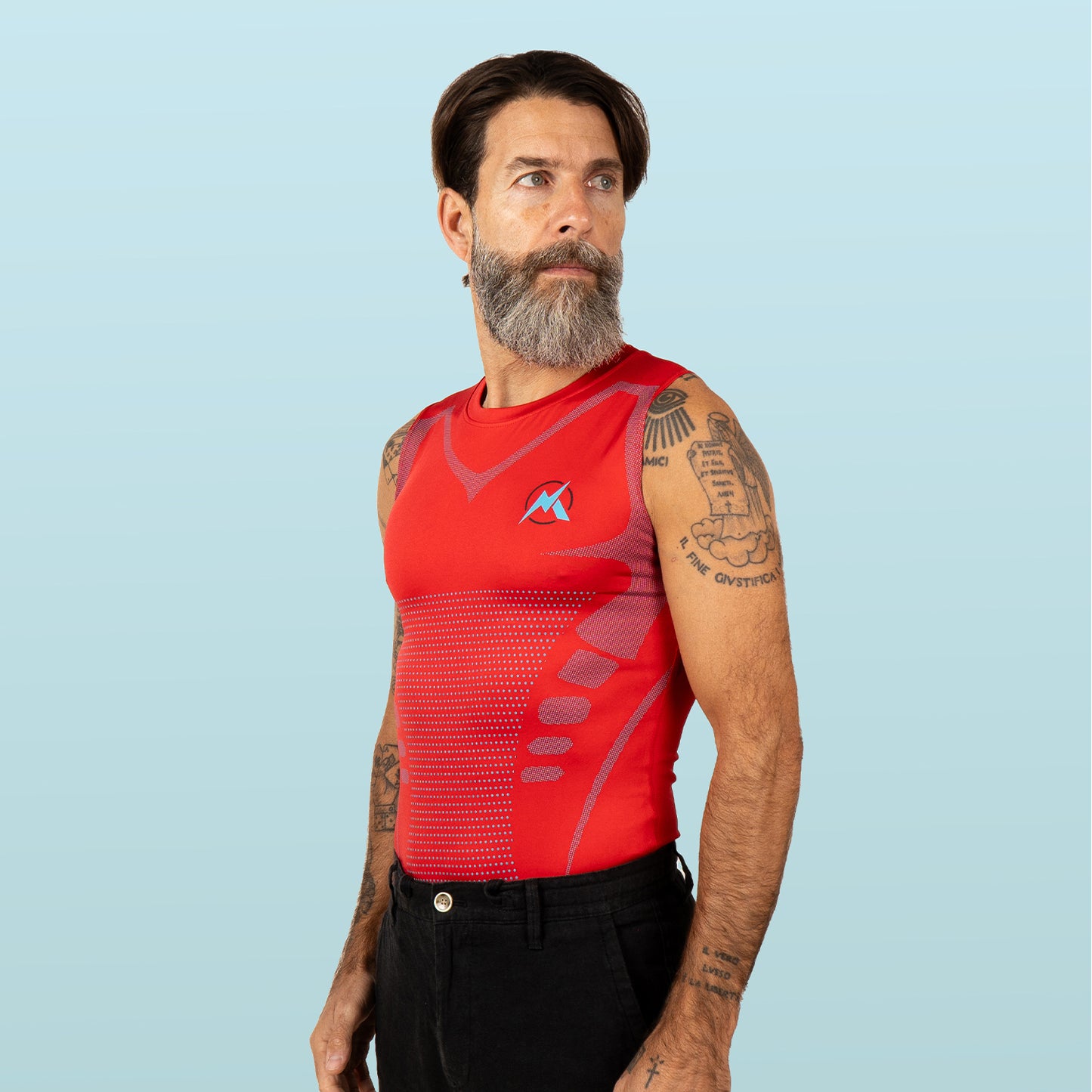
This is the lever Maynox actually built around — so I'll be honest with you about what it does and doesn't do.
What the evidence says:
A 2025 meta-analysis pooled 31 studies on compression garments for post-exercise recovery and found a small-to-moderate effect on perceived soreness and muscle strength recovery markers — particularly for the 24-48-hour post-workout window (Wei et al., Life 2025 / PMC11944185). A 2022 Sports Medicine review confirmed compression garments provide proprioceptive feedback — meaning they help your nervous system feel where your body is in space, which translates to better posture and movement quality during recovery walks (Brown et al., Sports Medicine 2022 / PMC9023423).
Honest framing: compression base layers don't melt fat, don't fix DOMS overnight, and don't replace lever 1 or 2. What they do:
- Reduce perceived soreness in the 24-48-hour window
- Hold your upper-back and shoulder posture under load (less hunching during recovery walks). If your posture is also slipping, the daily habit stack to stand up straight stacks cleanly on top of the base layer.
- Give a same-day visible upgrade — your silhouette reads taller and tighter even mid-recovery
For the 50-year-old man who trains 2-3x per week and lives the rest of his life at a desk, wearing a compression base layer during training days and active recovery walks adds 5-10% on top of the bigger levers. It's not a hack. It's a small lever that compounds if you've already nailed sleep + protein.

Add VitaBoost to your training week
Lever 5 — Skip the Recovery Traps
This is the lever nobody talks about: what you stop doing matters as much as what you start. Most men over 50 are quietly sabotaging their recovery with moves they think are helpful.
The four worst offenders:
- NSAIDs (ibuprofen, naproxen) routine post-workout. Chronic NSAID use blunts the inflammation signal your body uses to trigger muscle repair. Occasional for actual pain equals fine. Routine equals you're flattening the growth curve you came to the gym to build.
- Ice baths immediately after lifting. A growing body of research suggests cold immersion within 1-2 hours of resistance training blunts hypertrophy signaling. Save the cold plunge for non-lifting days if you love it — or skip it entirely. Hot showers and walking work better post-lift.
- Long static stretching before a workout. Holding a stretch for 60 seconds before training reduces force production for the next hour. Save static stretches for after the session. Dynamic warmups (leg swings, arm circles) belong before.
- One mega-protein dinner. As covered in Lever 2 — anabolic resistance after 50 means your body wastes most of a 70g dinner if breakfast was 10g. Distribute, don't dump.
Stop doing these four, and you'll feel the difference within one training cycle. No gear, no app, no supplement. Free leverage.
Your Next-48-Hour Recovery Protocol
Here's the protocol if you just finished a hard workout right now. Print it. Tape it to the fridge.
Hour 0-1 (post-workout):
- 30-40g protein within 60 minutes (whey shake + banana, or eggs + toast)
- Hot shower (warm muscles + circulation), not cold
- Compression base layer back on if you have one
Hour 1-4:
- Hydrate — body weight in lbs ÷ 2 = ounces of water minimum that day
- Walk 10-15 minutes after dinner
Night 1 (hour 4-16):
- Bed at your usual time. Phone away 60 minutes before.
- Cool room, 65-68°F.
Day 2:
- Breakfast = 40g protein
- 20-30 minute outside walk (sunlight bonus)
- Skip heavy lifting. Lever 3 day.
- Lunch + dinner = 40g protein each
- Bed on time again
Day 3 (48 hours post-session):
- Soreness should be 60-70% gone
- Light mobility flow or another walk
- Same protein cadence
- Train again only if specific muscle group feels recovered. Otherwise wait another day. (For the rebuild side of training again at 50+, see is it too late to build muscle in your 50s.)
That's the protocol. Boring. Repeatable. Works for 49 weeks of the year.
What This Stack Can't Fix (Honest Caveats)
I'm not going to tell you this stack is magic. Here's what it doesn't do:
- It won't make you 30 again. Recovery at 55 is slower than at 30, period. The stack closes 70-80% of the gap, not 100%.
- It won't fix a real injury. Sharp pain, joint pain, swelling, or pain that worsens with rest equals see a doctor. The stack is for normal muscle soreness (DOMS), not strains or tears.
- It won't compensate for terrible programming. If you're maxing out three days a week, no recovery stack can save you. Your training has to match your recovery capacity.
- It won't replace a real diet. 40g protein per meal on top of fast food and beer doesn't work. The rest of your calories matter too.
- Compression base layers are a small lever, not the main one. Don't buy a compression tank and skip sleep — that's backwards.
If you're sleeping 8 hours, eating 40g protein per meal, walking on rest days, and your recovery still takes a full week — get bloodwork done. Low ferritin, low vitamin D, low thyroid, and untreated sleep apnea will all wreck recovery regardless of how well you stack levers. See your doctor before you blame "age."
When You Should Actually Worry (Red Flags)
Most soreness after 50 is normal. These are the signals that aren't:
- Sharp or stabbing pain during a movement (vs general muscle ache)
- Swelling or visible bruising at a joint
- Pain that wakes you up at night
- One-sided pain that's noticeably worse than the other side
- Soreness that doesn't improve at all after 5-7 days
- Dark-colored urine after exercise (rhabdomyolysis risk — go to ER)
None of those are "recovery problems." They're "see a doctor" problems. The 5-lever stack is for normal DOMS, not injury.
The Bottom Line
Recovery after 50 takes longer because your body repairs slower — driven by slower protein synthesis, hormone decline, sarcopenia, and a delayed inflammatory response. You can't reverse the biology, but you can stack the right levers in the right order.
Lead with sleep. Add per-meal protein. Walk the next morning. Layer in compression if you train 2-3x a week. Skip the four recovery traps that quietly kill progress. That's the honest stack.
The man who recovers 70% as fast at 55 as he did at 30 — while still training — is the man who'll still be lifting at 65. The man who keeps trying to recover like a 30-year-old will quit by 58.
Pick the lever you're worst at. Fix it this week. Add the next one next week. That's how this works.
Add the compression base layer to your training week →
Frequently Asked Questions
How long does it take to recover from a workout after 50?
For the same muscle group, plan 48-72 hours between hard sessions — roughly double the recovery window of your 30s. The exact length depends on intensity, sleep quality, and per-meal protein intake. If you're still feeling sore at 72 hours, your sleep or protein is likely the bottleneck, not your age.
How many rest days does a 50-year-old man need per week?
Most men 50+ do well with 2-3 rest days per week and at least 48 hours between hard sessions for the same muscle group. A 3-day full-body or upper/lower split (Monday/Wednesday/Friday) hits the sweet spot of stimulus plus recovery for most men over 50.
Why does muscle recovery take longer after 50?
Four reasons: slower muscle protein synthesis (anabolic resistance), testosterone declining ~1% per year, sarcopenia (3-8% muscle loss per decade), and a delayed inflammatory response that pushes peak soreness from 24h to 48-72h. The hormonal levers you can't change, but the protein, sleep, and movement levers you can.
How much protein should a man over 50 eat for recovery?
1.0-1.2g per kg of body weight per day as a floor, up to 1.5g/kg if training hard — split into 30-40g chunks across 3-4 meals. A 180-lb man equals ~82-108g daily, ideally as ~40g at breakfast, lunch, and dinner rather than one big dinner. Per-meal distribution matters more after 50 than it does at 30.
Do compression shirts actually help muscle recovery?
Research shows a small-to-moderate effect on perceived soreness in the 24-48-hour post-workout window. They don't replace sleep or protein, but they add a 5-10% boost on top of bigger levers and they give an immediate visible silhouette upgrade. Use them on training days and active recovery walks — not as a primary recovery tool.
Sources
- Stanford Lifestyle Medicine — Protein Needs for Adults 50+
- Mayo Clinic — Testosterone Therapy / Age-Related Decline
- NIH/PMC — Sarcopenia: An Endocrine Disorder?
- CDC NCHS Data Brief 559 — Sleep Duration in US Adults
- Wei et al., Life 2025 (PMC11944185) — Compression Garments Meta-Analysis
- Brown et al., Sports Medicine 2022 (PMC9023423) — Compression Garment Proprioception Review